How Can Phuket City Race Create Stronger Connections Among Employees?

Strong workplace relationships are essential for creating productive, collaborative, and motivated teams. Employees who communicate openly and understand each other are more likely to work together effectively and support shared goals. Phuket City Race offers an exciting way to take employees outside their regular office environment and place them in an interactive setting where teamwork, communication, and problem-solving become part of the experience. Through challenges, exploration, and friendly competition, employees can connect naturally while enjoying a refreshing corporate adventure.
A well-planned Amazing Race in Phuket for Teams can transform a regular corporate outing into an engaging experience filled with discovery, collaboration, and memorable moments. Instead of relying on traditional indoor activities, teams can explore different locations, complete creative challenges, interact with their surroundings, and work together toward a common objective.

Why Strong Employee Connections Matter
Modern workplaces bring together employees with different personalities, experiences, communication styles, and professional responsibilities. While this diversity can strengthen an organization, it can sometimes create communication gaps between colleagues.
Strong employee connections help overcome these barriers. When people feel comfortable communicating with their colleagues, they are more willing to share ideas, ask questions, offer support, and collaborate on difficult tasks.
Team-building experiences can help employees understand one another beyond their usual job roles. A colleague who may seem quiet during meetings might become an excellent strategist during a challenge. Another employee may naturally take the lead when the team needs quick decisions.
These moments help employees recognize each other's strengths and develop greater respect for their teammates.
Moving Beyond the Traditional Office Environment
Office routines can sometimes limit employee interaction. People may spend most of their time working with the same colleagues, attending meetings, completing individual responsibilities, or communicating through digital platforms.
Taking employees into a new environment creates opportunities for more natural interaction.
A city-based race can encourage participants to move around, communicate face-to-face, make decisions together, and experience something unfamiliar. The change of surroundings can also refresh employee energy and make team interactions feel less formal.
When employees share new experiences outside the workplace, conversations often become more relaxed. This can help build personal connections that later contribute to stronger professional relationships.
Encouraging Communication Through Challenges
Communication is one of the most important elements of successful teamwork. A city race can introduce challenges where employees need to exchange information, discuss possible solutions, and make group decisions.
For example, a team may need to solve a clue before moving to the next location. One participant may notice an important detail while another may understand how to interpret it. The team succeeds only when everyone communicates effectively.
These situations demonstrate the importance of listening as well as speaking.
Employees learn that successful communication is not simply about expressing their own ideas. It also involves understanding different opinions, asking the right questions, and giving others an opportunity to contribute.
Building Trust Among Colleagues
Trust develops when employees know they can depend on one another. Team challenges can provide practical opportunities to strengthen this trust.
During a race, teams may face time limits, unexpected tasks, creative challenges, or navigation-based activities. Participants must rely on each other's skills to move forward.
One employee may be good at solving puzzles, another may excel at organizing information, while someone else may be confident enough to approach strangers or complete a public challenge.
When team members recognize that everyone contributes differently, they become more comfortable relying on one another.
This experience can carry into the workplace, where employees may become more willing to collaborate and seek support from colleagues.
Developing Collaboration Naturally
Effective collaboration happens when people work toward a shared objective rather than focusing only on individual performance.
A city race creates a common goal: complete the challenges, reach the checkpoints, and finish successfully as a team.
This encourages employees to divide responsibilities according to their strengths. Instead of competing against their own teammates, participants learn how their individual abilities can contribute to collective success.
Collaboration also becomes more enjoyable when it happens through practical activities rather than theoretical discussions. Employees experience the value of teamwork directly.
Creating Opportunities for Leadership
Leadership does not always come from the person with the highest position in an organization. Team activities can reveal leadership qualities in employees who may not usually have opportunities to demonstrate them.
During a race, someone might naturally organize the group, while another person may motivate teammates when energy levels drop. Someone else might take responsibility for planning the next step or making a quick decision.
These experiences can help organizations identify qualities such as:
Decision-making
Initiative
Responsibility
Motivation
Confidence
Strategic thinking
Problem-solving
Employees also get opportunities to practice leadership without the pressure of a formal workplace setting.
Strengthening Problem-Solving Skills
Unexpected challenges are often part of a city-based team race. Teams may need to solve clues, interpret instructions, manage limited time, or find creative ways to complete a task.
Such challenges encourage employees to think beyond standard solutions.
When a first idea does not work, the team has to reconsider its approach. This encourages flexibility and resilience.
These skills are highly useful in professional environments, where teams regularly encounter changing priorities, unexpected problems, and tight deadlines.
Encouraging Participation From Everyone
One of the biggest advantages of well-designed team activities is that they can encourage participation from employees with different personalities.
Extroverted employees may enjoy interactive challenges, while quieter employees may contribute through observation, planning, research, or problem-solving.
The objective should not be to make everyone perform in the same way. Instead, activities should create different opportunities for people to contribute.
This inclusive approach helps employees appreciate the different strengths within their team.
Creating Memorable Shared Experiences
Shared memories can become powerful conversation starters long after an event has ended.
Employees may remember a funny challenge, an unexpected discovery, a difficult puzzle, or the moment their team successfully completed a task.
These experiences can create informal connections in the workplace. Employees who shared an adventure may have more topics to discuss during breaks or future meetings.
Over time, these small interactions can contribute to a more connected workplace culture.
Breaking Down Workplace Barriers
Professional hierarchies can sometimes influence how employees communicate. Junior employees may hesitate to share ideas with senior colleagues, while different departments may have limited opportunities to interact.
Team-building activities can reduce some of these barriers by placing employees in a common environment where everyone has the same objective.
When colleagues solve challenges together, job titles become less important. What matters is contribution, communication, and teamwork.
This can help create a more approachable and cooperative atmosphere when employees return to the workplace.
Combining Exploration With Team Building
A city race can make team building more engaging by combining exploration with structured activities.
Instead of spending the entire event inside a conference room, employees can experience local surroundings, cultural elements, landmarks, streets, and interactive challenges.
This creates a sense of adventure while keeping the team focused on shared objectives.
The combination of exploration and teamwork can be especially effective for corporate groups because employees get both recreation and meaningful engagement from the experience.
Making Friendly Competition Productive
Competition can add excitement to a team-building experience when it is designed thoughtfully.
Friendly competition encourages teams to stay motivated, make faster decisions, and celebrate their progress. However, the focus should remain on participation and teamwork rather than simply winning.
A well-designed race can reward qualities such as creativity, communication, cooperation, and problem-solving.
This ensures that employees understand that success comes from working together rather than relying on one individual.
Improving Employee Engagement
Employee engagement is influenced by how connected, valued, and involved people feel at work.
Interactive experiences can give employees a break from repetitive routines and provide a fresh opportunity to participate in something enjoyable.
When organizations invest in experiences that encourage employee interaction, they demonstrate that teamwork and workplace relationships matter.
A memorable team activity can also create positive energy that employees carry back into their everyday responsibilities.
How to Plan an Effective City Race
The success of a corporate city race depends heavily on thoughtful planning. Companies should consider the following factors before organizing the experience:
Understand the Team
Consider employee age groups, fitness levels, interests, professional backgrounds, and comfort levels. Activities should be challenging without making participants feel uncomfortable.
Set Clear Objectives
Decide whether the primary goal is communication, collaboration, leadership, employee engagement, problem-solving, or general team bonding. Clear objectives make it easier to select suitable challenges.
Create Balanced Teams
Teams should ideally include employees from different departments or roles. This encourages people to interact with colleagues they may not regularly work with.
Include Different Types of Challenges
A combination of puzzles, creative tasks, physical activities, observation challenges, and communication-based missions can give every participant an opportunity to contribute.
Keep Safety a Priority
Routes, activities, timings, transportation, weather conditions, and emergency arrangements should be considered carefully. A safe environment allows employees to enjoy the experience with confidence.
End With a Shared Celebration
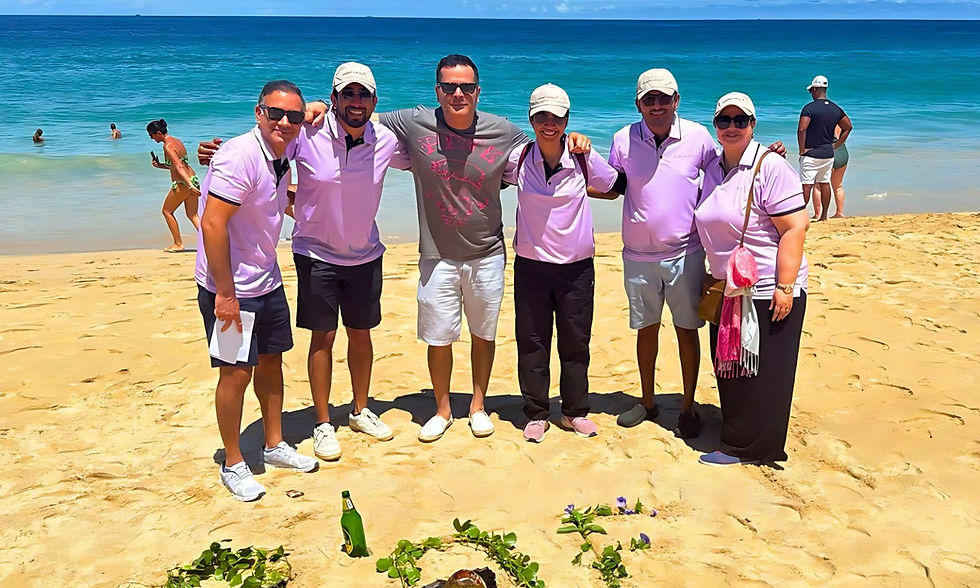
Finishing the race with a meal, awards, group photographs, or a celebration can provide a positive conclusion. It also gives employees an opportunity to relax and reflect on the experience together.
Why Phuket Can Make Team Experiences More Memorable
A destination with a mix of natural beauty, cultural attractions, lively streets, and diverse experiences can provide an engaging setting for corporate team activities.
The environment itself can make employees feel that they are participating in something different from their normal office routine.
Combining structured challenges with destination exploration can also create a balanced experience. Employees get opportunities to compete, communicate, relax, explore, and celebrate together.
Most importantly, the destination should support the objectives of the activity rather than becoming the only focus. The best corporate experiences use the location as a backdrop for meaningful employee interaction.
Measuring the Impact After the Event
The benefits of a team-building experience do not have to end when the race finishes.
Organizations can follow up with employees to understand what they enjoyed, which challenges were most effective, and what they learned about their colleagues.
Managers can also observe whether communication between departments improves after the event.
Simple follow-up discussions can help employees connect the experience to their everyday work. For example, teams can discuss how they handled disagreements, divided responsibilities, or solved challenges during the activity.
This reflection can turn a fun corporate outing into a meaningful learning experience.
Conclusion
Building stronger employee relationships requires more than meetings and workplace conversations. Employees need opportunities to communicate, collaborate, trust one another, and create shared experiences. Phuket City Race can provide an engaging environment where these connections develop through challenges, exploration, friendly competition, and teamwork. Similarly, an Amazing Race in Phuket for Teams can combine adventure with meaningful collaboration, helping employees discover new strengths in themselves and their colleagues.
When carefully planned, a city race can become more than an entertaining corporate activity. It can encourage better communication, strengthen trust, reveal leadership qualities, improve problem-solving, and create memorable moments that employees carry back into the workplace.
FAQs
1. What is a Phuket City Race for corporate teams?
A Phuket City Race is an interactive team-building experience where employees complete challenges, solve clues, explore locations, and work together toward a common goal.
2. How does a city race improve employee connections?
It encourages employees to communicate face-to-face, solve problems together, share responsibilities, and rely on each other's strengths.
3. Is a city race suitable for large corporate groups?
Yes. With appropriate team division, route planning, activity design, and coordination, city races can be adapted for different group sizes.
4. What skills can employees develop through a city race?
Employees can practice communication, collaboration, leadership, decision-making, creativity, problem-solving, adaptability, and time management.
5. Can a city race be combined with other corporate activities?
Yes. It can be combined with corporate dinners, cultural experiences, awards, celebrations, workshops, or other team-building activities to create a complete corporate offsite experience.


Comments