How Can an Offsite Event Company in Pune Plan the Perfect Corporate Retreat?

A successful corporate retreat is more than a change of location—it is an opportunity to strengthen relationships, refresh employee motivation, and create meaningful experiences outside the workplace. An experienced Offsite Event Company in Pune can simplify the entire process by combining venue selection, travel planning, team-building activities, entertainment, and event execution into one seamless experience. From understanding the company’s objectives to designing a customized itinerary, professional planners ensure every detail supports the purpose of the retreat. Whether the goal is team bonding, employee engagement, leadership development, or simply relaxation, the right planning approach can transform an ordinary corporate outing into a memorable experience.
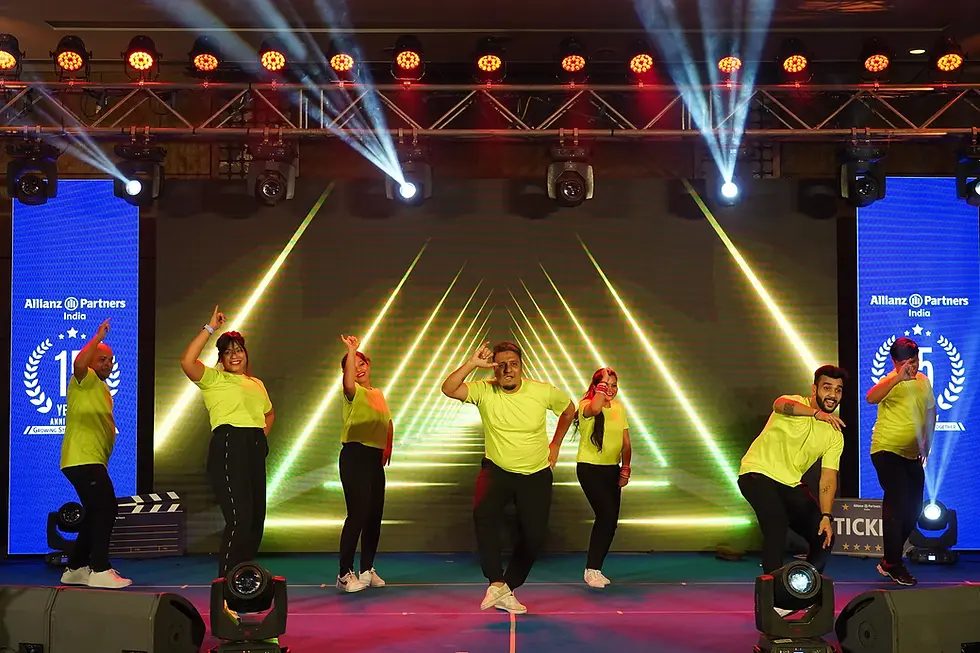
Understanding the Purpose of the Corporate Retreat
Before choosing a venue or creating an itinerary, planners need to understand why the organization is arranging the retreat. Every corporate group has different expectations, and the event should be designed around its specific objectives.
A retreat may be organized to:
Improve communication between employees
Strengthen collaboration across departments
Celebrate company milestones
Reward employees for their performance
Encourage creativity and innovation
Build leadership skills
Improve employee morale
Provide a refreshing break from routine work
Identifying these goals at the beginning helps planners select suitable activities, destinations, accommodation, and entertainment options. A retreat focused on team bonding will require a different structure from one designed primarily for relaxation or strategic planning.
Choosing the Right Destination
The destination plays an important role in shaping the overall retreat experience. Pune offers a strong combination of accessibility, natural surroundings, comfortable resorts, and diverse corporate outing options.
Depending on the group size and event objective, planners can consider destinations around Pune that provide a peaceful environment away from busy office spaces. Locations surrounded by greenery, hills, lakes, or open landscapes can create a refreshing atmosphere for employees.
The destination should also be evaluated based on:
Travel time
Road connectivity
Accommodation capacity
Meeting and conference facilities
Outdoor activity options
Food and catering services
Weather conditions
Safety and accessibility
Budget requirements
A well-selected destination makes it easier to balance productive sessions with recreation and entertainment.
Selecting Accommodation That Matches the Group
Accommodation is another important component of corporate retreat planning. The
right property should provide comfortable rooms as well as facilities that support the complete event itinerary.
For example, a corporate group may require conference rooms for meetings, lawns for outdoor activities, restaurants for group meals, and recreational spaces for informal interaction.
Planners should review the property based on the number of attendees and the event schedule. Large groups may need multiple meeting areas, while smaller teams may prefer boutique resorts offering a more private experience.
It is also useful to check whether the venue can accommodate special requirements such as customized meals, audiovisual equipment, late-night activities, or themed celebrations.
Creating a Balanced Itinerary
One of the biggest mistakes in corporate retreat planning is trying to include too many activities in a short period. An effective itinerary should provide a comfortable balance between structured experiences and free time.
A typical retreat could include:
Morning: Breakfast followed by a strategy meeting or leadership session.
Late Morning: Interactive team-building activities designed around collaboration.
Afternoon: Lunch and personal relaxation time.
Evening: Outdoor games, adventure activities, or a city exploration experience.
Night: Dinner, entertainment, awards, or a themed celebration.
This structure prevents employees from feeling overwhelmed while ensuring that the retreat remains engaging throughout the day.
Adding Meaningful Team-Building Activities
Team-building activities can turn a simple corporate outing into an interactive experience. However, the activities should be selected according to the team's age group, interests, fitness levels, and professional objectives.
Popular options may include:
Problem-Solving Challenges
Teams work together to solve puzzles, complete missions, or overcome strategic challenges. These activities can encourage communication, decision-making, and creative thinking.
Outdoor Adventure Activities
Activities such as trekking, obstacle challenges, treasure hunts, and outdoor races can introduce energy and excitement into the retreat.
Creative Challenges
Creative competitions involving storytelling, construction, art, or performance can encourage employees to think differently and collaborate with colleagues they may not normally work with.
Sports-Based Activities
Friendly competitions such as cricket, football, volleyball, relay races, or customized corporate games can create an energetic and informal environment.
CSR-Based Activities
A retreat can also include meaningful social-impact experiences. Employees can participate in activities such as assembling educational kits, building useful community resources, or supporting local initiatives.
The best activities are those that encourage participation without making employees feel pressured.
Designing Engaging Evening Entertainment
After a full day of meetings and activities, entertainment can provide a relaxed environment for employees to socialize.
Depending on the company's culture, planners can organize live music, interactive games, stand-up comedy, DJ sessions, talent showcases, themed dinners, or award ceremonies.
A themed evening can add an extra layer of excitement. Ideas could include a retro night, Bollywood-inspired celebration, tropical theme, casino-style entertainment without real-money gambling, or elegant gala dinner.
Entertainment should complement the overall retreat rather than dominate it. The goal is to create opportunities for employees to interact naturally and enjoy the evening together.
Managing Food and Beverage Requirements
Food is often one of the most memorable aspects of a corporate retreat. Menu planning should consider dietary preferences, regional tastes, allergies, and meal timings.
A professional event plan can include welcome refreshments, breakfast, working lunches, evening snacks, dinner, and special meal arrangements where required.
Buffet-style dining can work well for large groups because employees can choose according to their preferences. For formal celebrations, planners may consider curated menus and live food stations to create a more engaging dining experience.
Clear communication with the venue's catering team is essential to avoid last-minute complications.
Planning Transportation and Logistics
Transportation can have a major impact on the attendee experience. Even an excellent retreat can become stressful if employees face delays, unclear pickup points, or poorly coordinated transfers.
An organized transportation plan should include:
Pickup and drop-off locations
Vehicle allocation
Travel schedules
Driver coordination
Emergency contact details
Parking arrangements
Local transfers
Backup transportation options
For larger groups, multiple vehicles may need to be coordinated simultaneously. A centralized logistics plan helps ensure that employees arrive at the venue safely and on schedule.
Incorporating Branding Into the Retreat
Corporate retreats can also strengthen company identity through thoughtful branding. Branding does not need to be excessive. Subtle and professional elements can make the event feel more customized.
Possible branding opportunities include welcome signage, registration counters, customized badges, event backdrops, activity materials, room cards, presentation screens, and branded gifts.
A consistent visual theme can make photographs and event memories more recognizable while creating a polished atmosphere.
Building Employee Engagement Throughout the Event
A corporate retreat should encourage interaction beyond scheduled activities. Small engagement elements can make a major difference.
For example, planners can introduce networking games during breakfast, informal discussion groups, photo challenges, recognition moments, or surprise activities throughout the itinerary.
Employees should have opportunities to interact with colleagues from different teams. This can help break departmental barriers and create stronger workplace relationships.
The retreat should feel inclusive, allowing both highly active participants and quieter employees to enjoy the experience.
Prioritizing Safety and Contingency Planning
Safety should always be considered when planning corporate retreats, especially when outdoor or adventure activities are involved.
Planners should evaluate activity risks, venue safety standards, transportation arrangements, weather conditions, emergency access, and medical support requirements.
A contingency plan is equally important. Outdoor activities may need alternative indoor options because of unexpected weather. Transportation schedules should also include reasonable buffers to accommodate delays.
Good preparation allows the event team to respond quickly without disrupting the overall experience.
Managing the Event Budget Effectively
A memorable retreat does not necessarily require an unlimited budget. Effective planning involves allocating resources according to the organization's priorities.
The budget may cover:
Accommodation
Transportation
Food and beverages
Team-building activities
Entertainment
Event production
Branding and décor
Gifts and awards
Photography and videography
Emergency contingencies
Instead of spending heavily on every component, planners can identify the experiences that matter most to employees and prioritize those areas.
Transparent budgeting also helps avoid unexpected expenses during the event.
Evaluating the Retreat After Completion
The planning process should not end when employees return to the office. Post-event feedback can help determine whether the retreat achieved its objectives.
Companies can collect feedback through short surveys or informal discussions. Questions can focus on accommodation, activities, food, transportation, entertainment, and overall satisfaction.
Organizers can also evaluate whether the retreat improved communication, collaboration, employee motivation, or workplace relationships.
These insights can be used to improve future corporate events and create increasingly personalized experiences.
Why Professional Planning Makes a Difference
Corporate retreats involve many moving parts, from venue coordination and transportation to activities, entertainment, food, and production. Managing everything internally can place additional pressure on HR and administrative teams.
Professional event planners bring structured coordination to the process. They can manage multiple suppliers, create detailed schedules, coordinate onsite teams, and handle unexpected challenges.
More importantly, they can design an experience around the company's objectives rather than simply arranging a collection of activities. This strategic approach can make the retreat more meaningful and memorable.

Conclusion
Planning a successful corporate retreat requires thoughtful preparation, creative experiences, smooth logistics, and a clear understanding of employee expectations. A professional Offsite Event Company in Pune can bring these elements together by designing customized itineraries, selecting suitable venues, coordinating transportation, managing activities, and creating engaging entertainment. Companies can also explore specialized planning approaches offered by an Offsite Event Company in Jaipur when comparing different destination styles and event possibilities. Ultimately, the perfect retreat is one that balances productivity, relaxation, connection, and enjoyment while leaving employees with positive memories and stronger workplace relationships.
FAQs
1. What is the ideal duration for a corporate retreat?
A corporate retreat can range from a single day to three or more days. The ideal duration depends on the objectives, destination, travel time, and activities planned.
2. How do companies choose the right retreat destination?
Companies should consider accessibility, accommodation, budget, weather, activity options, venue facilities, and the overall purpose of the retreat before finalizing a destination.
3. What activities are suitable for corporate retreats?
Team-building games, outdoor challenges, adventure experiences, sports, creative competitions, cultural experiences, and CSR activities can all be suitable depending on the group.
4. How can a retreat improve employee engagement?
Interactive activities and informal social experiences encourage employees to communicate, collaborate, and build relationships beyond their usual workplace responsibilities.
5. Should corporate retreats include free time?
Yes. Including adequate personal and relaxation time prevents employees from feeling overwhelmed and gives them an opportunity to enjoy the destination at their own pace.
6. Why is transportation planning important?
Well-coordinated transportation reduces delays, confusion, and unnecessary stress while helping employees move safely and efficiently between different event locations.
7. How can companies manage the retreat budget?
Companies should establish a clear budget before planning and prioritize essential elements such as accommodation, transportation, activities, food, and event production according to their objectives.


Comments